














Auctionet
Delivery time to the end customer went from 17 to 7 days. Same logistics centres, no extra hours. Teams mapped the flow and cut the waiting.
Online auction marketplace
Read the case (opens in a new tab)With your consent, we use analytics cookies to see how visitors use this site, so we can improve it.
Operational excellence means getting better at how work gets done, every week, and keeping the gains.
An example order takes 10 days from order to delivery. Someone works on it for about 4 hours in three short steps: order entered (2 hours), picked and packed (1 hour), shipped (1 hour). It waits for the rest, about 9.8 days. Flow efficiency is 1.7 percent.
01What it is
The goal is more value for customers, delivered more reliably. It’s led by the people who do the work, and it isn’t a single method. Lean, Six Sigma, daily management and continuous improvement are all ways to get there. What they share is a shift in what you pay attention to: not whether everyone is busy, but how long work takes to reach the customer, and where it waits on the way.
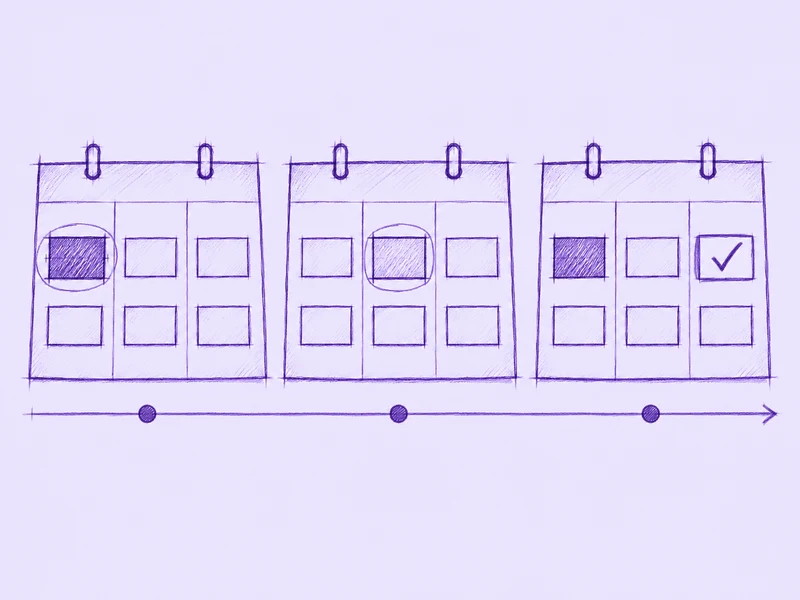
Capability builds in a sequence. Skipping a stage is one of the most common reasons improvements fade.
01
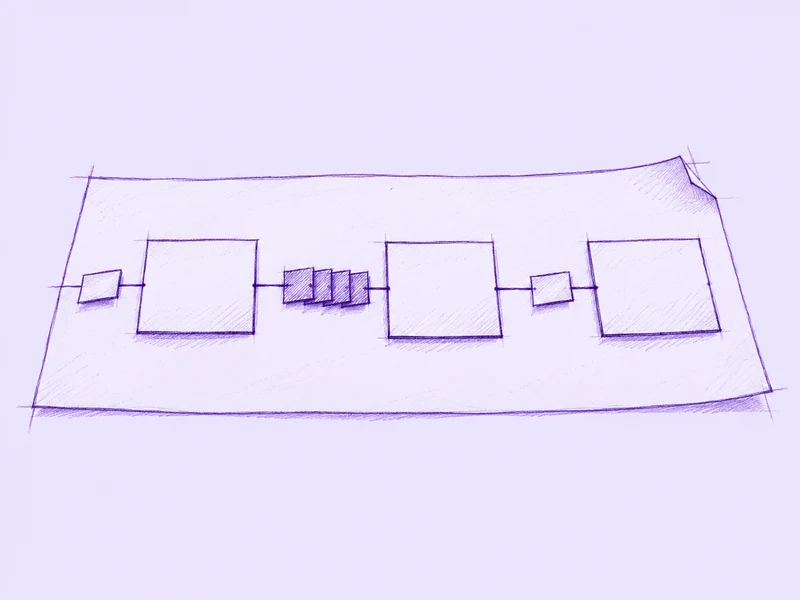
Map how work actually moves today: where it starts, where it waits, and what the customer receives.
“Do we agree on how our work flows today?”
02
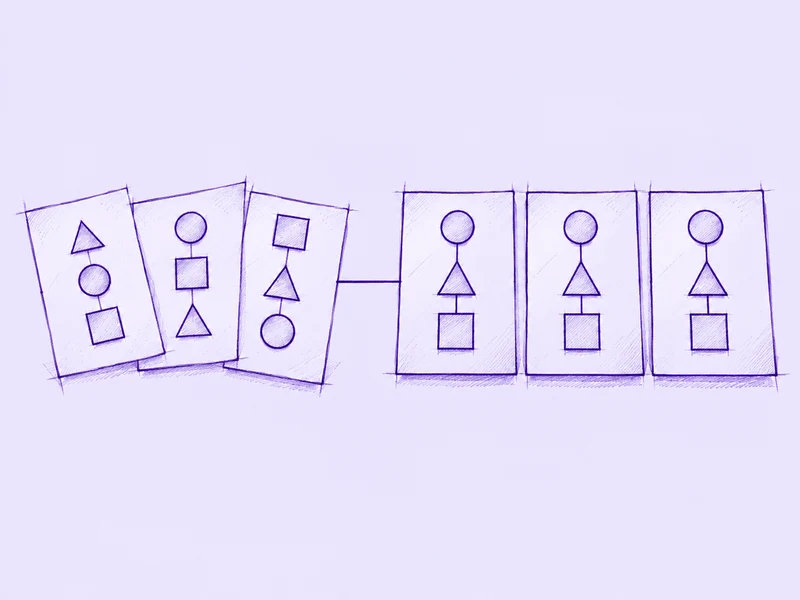
Agree on the best known way to do the work, so there is something to improve from.
“Is there one way we do this, or five?”
03
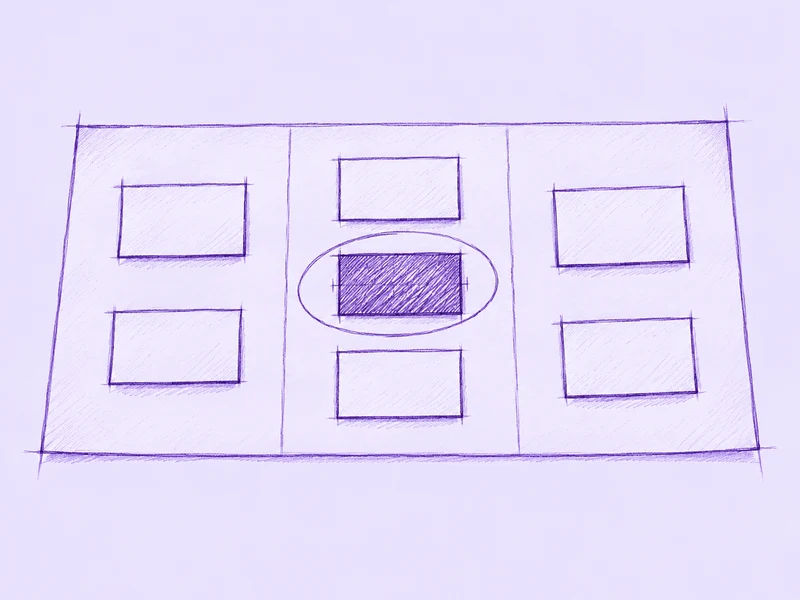
Show the state of the work so problems surface within hours, not in the month-end report.
“Would a newcomer spot a problem on our board?”
04
Keep a steady rhythm of review and improvement, so the gains last after the launch energy fades.
“Would this still happen if the champion left?”
02Why efforts fail
Not because the method is wrong, but because it never becomes part of how teams run their week.
Common belief: Busy people mean a productive operation.
In practice: High utilisation often means long queues. Customers feel the queue, not the utilisation.
Common belief: Training people changes how they work.
In practice: Training builds understanding. Capability comes from using it on your own work, repeatedly.
Common belief: A digital board will keep us on track.
In practice: A board shows the work. It doesn’t tell a team what good looks like.
Common belief: External experts will drive the change.
In practice: They can start it. It lasts only when internal leaders and experts own it.
03Where to start
No big programme needed. Pick your role and see the first step that usually fits.
“How do I get every team improving without being in every room?”
Your first step
See where every team stands, then build the internal experts who keep the loop running without you.
“My team is flat out. Why are we still late?”
Your first step
Find where work waits, then run the daily meeting on what is off track today.
“We have eighteen initiatives. Which ones are actually moving?”
Your first step
Fewer priorities, visible progress, and a shared language for improvement across sites.
“How do we know the training changed anything?”
Your first step
Tie each programme to a gap the team found itself, so learning goes straight into practice.
04Product
Assess how each team works, improve on the gaps, learn why each practice works, and measure whether it sticks.
We have a board where anyone can see, at a glance, whether we are on target today.
Cut downtime response to 5 min
Reduce rejections line 2
Rejections on line 2 are at 4.8% against a target of 2%. Initial analysis indicates temperature variation in the hardening step.
Reduce work-in-progress inventory
Inventory between operations is 4.2 days. Kanban pilot for item family A21 starts in May. Target: 1.5 days by Q3.
Reduce setup time line 4
Line 4 setup time averages 62 minutes, 27 over target. Analysis shows 14 minutes can be done while the line runs.
05Results
Three organisations, three kinds of work. In each, the people doing the work found where it waited, and removed it.
Delivery time to the end customer went from 17 to 7 days. Same logistics centres, no extra hours. Teams mapped the flow and cut the waiting.
Online auction marketplace
Read the case (opens in a new tab)
A client quote took a day; now it takes two hours, once sales and booking began working as one team around each request.
Out-of-home media, Sweden
Read the case (opens in a new tab)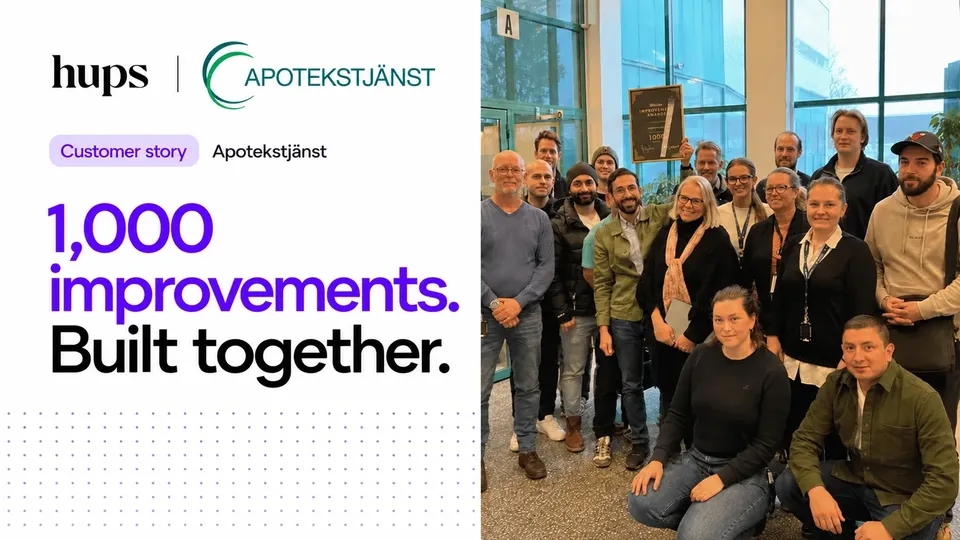
Over 1,000 improvements made by the company’s own teams, with every employee taking part, not only management.
Medicine dose dispensing
Read the interview (opens in a new tab)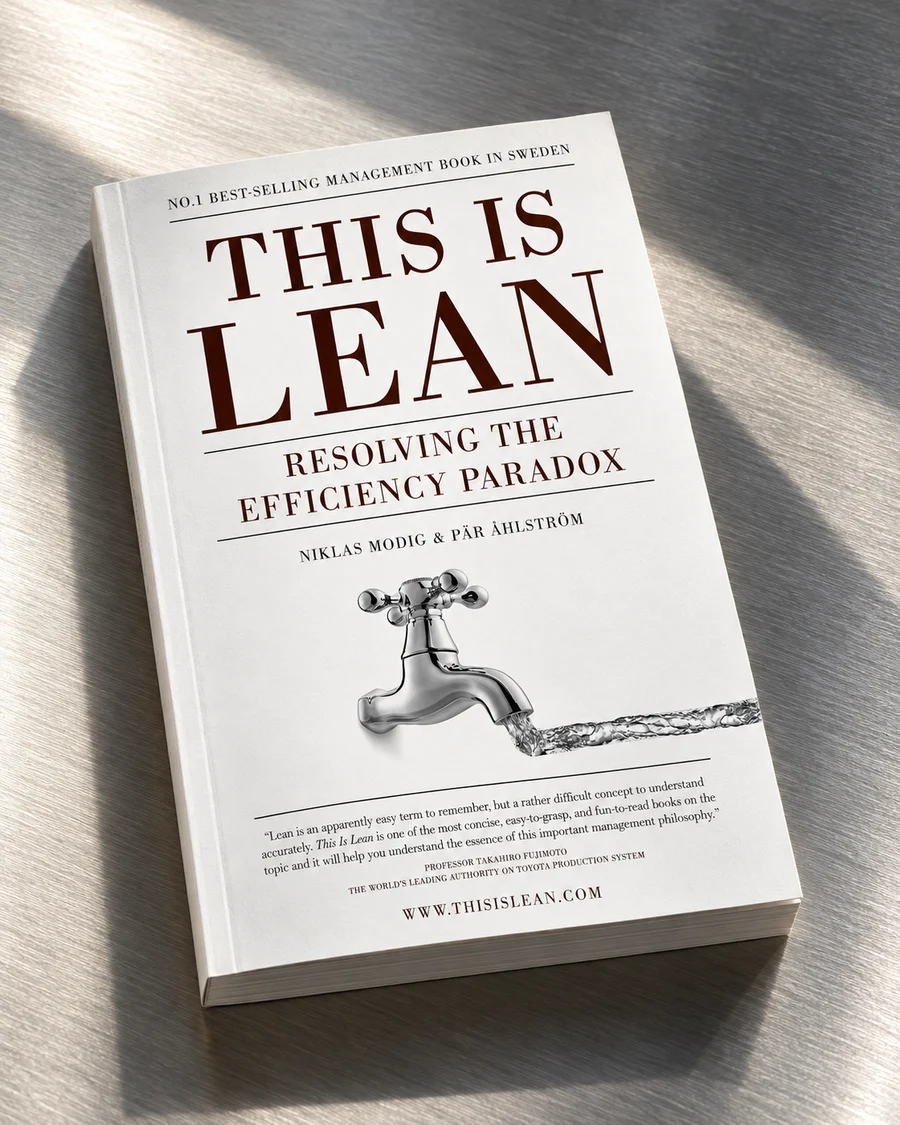
06The research
Most organisations measure how busy their people and machines are. This Is Lean argues that you should measure how long work waits on the way to the customer. That shift, from resource efficiency to flow efficiency, is where Hups starts.
Niklas Modig & Pär ÅhlströmAuthors of This Is Lean (2012) · Researchers at the Stockholm School of Economics
350,000+
copies sold
20
languages
1,000+
keynotes by Niklas Modig
40
countries he has spoken in
Opens on YouTube
Why making each team more efficient can make the whole organisation slower, and what to look at instead.
Watch on YouTubeA summary of a 70-minute lecture on the book, for an R&D audience.
Watch on YouTubeWhat Niklas learned in Toyota’s plants in Japan, applied to everyday life.
Watch on YouTube07FAQ
Short, direct answers. Still unsure? Ask one of our experts.
It is an organisation’s ability to deliver more value to customers, more reliably, by steadily improving how work flows, led by the people who do the work.
Lean and Six Sigma are methods. Operational excellence is the result you want: an operation that keeps improving. Lean focuses on flow and waste, Six Sigma on reducing variation. Most organisations borrow from both. The method matters less than whether teams use it every week.
Continuous improvement is the daily habit. Operational excellence is what the habit produces over time, across teams and sites. You get the second only by sustaining the first.
Flow efficiency is the share of total lead time in which someone is actually working on the thing the customer is waiting for. Resource efficiency is how busy each person or machine is. You can have high resource efficiency and very low flow efficiency at the same time. That is why busy operations can still be slow.
The first improvements often come within weeks. Proving that they last takes longer. Measure where you are today, measure again after a few months, and compare.
Yes, and in the long run you should. Outside experts can speed up the first cycles, but the method has to live with your own leaders and internal experts. If it leaves when the consultants do, it was never yours.
The site is published by Hups, a Stockholm company that combines software, training and coaching to help operations build their own improvement capability. The method grows out of the research behind This Is Lean, co-written by Hups expert Niklas Modig and Pär Åhlström.
Next step
Book 30 minutes with a Hups expert. We’ll look at where your teams are today and suggest a first step.
Assess, improve, learn and measure, for every team.
Choose which cookies operationalexcellence.com may use. Your choice applies to this site only and is saved for 6 months. You can change it here at any time.
operationalexcellence.com is published by Hups AB. Read how Hups handles personal data in the Hups privacy policy (opens in a new tab).